

5 Smart Tips for Off-Grid Lighting & Appliances Setup
Living off-grid requires careful choices for lighting and appliances. Choosing the right low-power gear saves energy.
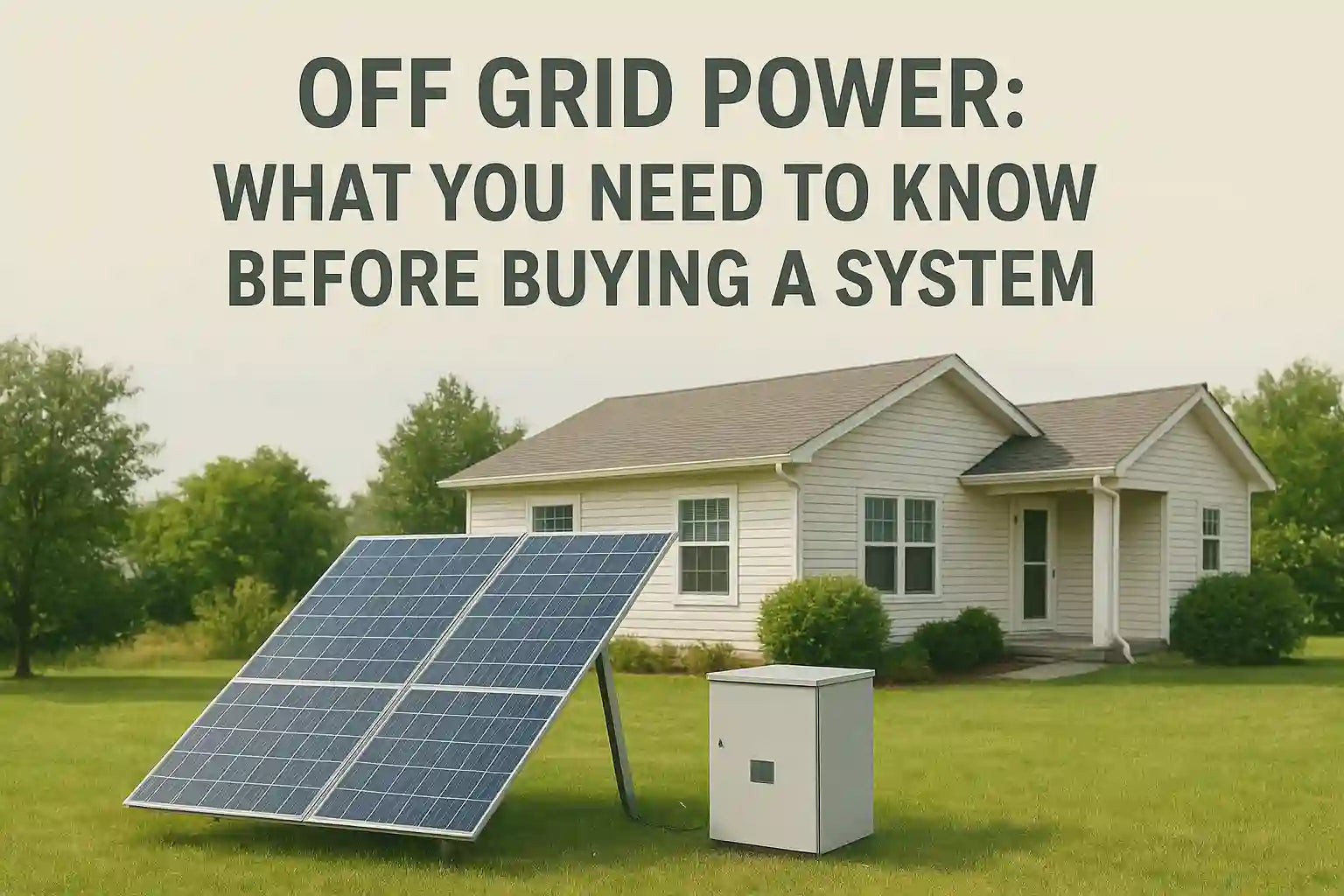
This guide explores best practices for lighting and appliances in homes independent from the grid.
Why Low-Power Gear Matters for Off-Grid Homes
Homes that operate independently from the grid rely on solar panels and batteries for all electricity needs. High-power appliances drain battery systems quickly and reduce available runtime. Low-power lighting and efficient appliances stretch energy budgets for longer, reliable operation. Choosing low-power gear ensures lights and small appliances run safely and efficiently every night.
Best Practices for Selecting Lighting Appliances in Independent Living
When selecting lighting and appliances for use in homes independent from the grid, follow these guidelines:
- Prefer LED lights over incandescent bulbs; LEDs use far less energy for the same brightness.
- Use lights with adjustable settings (low / medium / high brightness) to conserve energy.
- Select appliances with low standby power draw to avoid wasting energy when idle.
- Choose devices designed for low-voltage or DC input to reduce inverter losses.
- Check total wattage before adding new gear to avoid overloading your system.
Example Low-Power Lighting Kit for Independent Living
A strong example of lighting gear for independent living is the EcoFlow Black Camp Lights. Pair these lights with the EcoFlow Solar Panel FLEX 200W to create a reliable setup for sustainable energy use. For energy storage, use the EcoFlow DELTA 3 Portable Power Station, which supports both AC and DC devices. This setup powers multiple LED lights, supports USB device charging, and operates independently from mains electricity. It suits cabins, campervans, sheds, or small homes that require dependable, low-power lighting. It ensures safe, bright light without wasting energy, making it ideal for use in off-grid environments.
Appliance Best Practices for Independent Living
Some appliances work well off-grid if chosen carefully:
- Pick small, efficient DC-powered devices, such as EcoFlow-compatible fans or portable fridges
- Avoid appliances with high startup or peak power draws, like kettles or electric heaters.
- Operate appliances during daylight when solar panels produce power to reduce battery drain.
- Combine usage with energy-saving habits: turn off lights and unplug idle devices.
Managing Power Budget: Panels, Batteries, and Load
Low-power lighting and appliances perform best when matched with a properly sized system.
- Estimate your daily watt-hour demand by adding appliance and light wattage multiplied by usage hours.
- Select a solar panel capable of fully recharging your battery during typical sunlight hours.
- Use a battery sized to meet nightly load with extra margin to avoid deep discharge.
- Maintain a buffer of at least 20–30% battery capacity for cloudy days or unexpected usage.
Everyday Tips to Extend the Life of Your Independent Energy System
How you use your system matters as much as what you install.
- Dim lights when full brightness isn’t necessary to save battery power.
- Turn off lights and devices when leaving a room or before sleeping.
- Use efficient appliances and avoid power-hungry devices.
- Monitor battery state regularly to prevent deep discharges, extending lifespan.
- Reassess energy use before adding new appliances or lights.
Conclusion
Living off-grid is simple and efficient with the right low-power lighting and appliance strategy. Using EcoFlow Black Camp Lights, the Solar Panel FLEX 200W, and the DELTA 1300 Power Station ensures reliable performance. Focus on LED lights, energy-conscious appliances, and careful power budgeting for maximum efficiency. This approach reduces strain on your battery system and helps extend the lifespan of your equipment. By choosing low-power devices, you avoid unnecessary energy loss and create a stable home environment. This setup guarantees safe lighting, device charging, and true energy independence night after night.
With thoughtful planning, you can enjoy consistent comfort while living independently from the grid. Building a system around efficient appliances also makes expansion easier. As you become familiar with your energy use, you can fine-tune your setup and improve overall performance.